


Key Takeaways
- Myopia means blurry distance vision. Hyperopia means blurry close-up vision.
- Both happen because of eye shape and how light lands inside the eye.
- Myopia often starts in kids between ages 8 and 12.
- Stellest lenses and MiSight contacts can help slow myopia progression in children.
- Regular eye exams help catch these conditions early, before they affect daily life.
What These 2 Vision Conditions Actually Mean
Do you have to squint to read street signs or get headaches after long reading sessions? Does your child keep moving closer to the TV? These are all small signs that a person may need vision correction. Our team at Envision Eye Care can help you figure out what’s going on.
Myopia and hyperopia are both refractive errors. This means that they happen when light doesn’t land on your retina (a tissue at the back of your eye) correctly. Myopia causes blurry distance vision, while hyperopia causes blurry close-up vision. Both conditions are common, well-understood, and manageable with the right care. If your child is showing signs of either, a children’s eye exam is a great place to start.
Myopia Vs. Hyperopia: A Side-By-Side Look
Myopia (Nearsightedness)
With myopia, the eye is slightly too long. This causes light to focus in front of the retina instead of directly on it, making distant objects look blurry. In other words, a stop sign across the street might look fuzzy, while a book in your hands looks perfectly clear.
Myopia often shows up in kids between ages 8 and 12. It tends to get worse through the teenage years and can continue progressing into the mid-20s. Catching it early gives you more options to manage how fast your child’s vision changes. Learning more about what myopia is and how it develops can help you better understand what your child may be experiencing.
Hyperopia (Farsightedness)
Hyperopia is the opposite. The eye is a little too short, so light focuses behind the retina. Close-up objects look blurry, but things farther away may look fine.
It’s common in young children, and many grow out of it naturally as their eyes develop. That said, it’s still worth monitoring, especially if your child is struggling in school or avoiding reading. The symptoms of hyperopia can be easy to miss without a proper exam.
Signs You Might Have One of These Conditions
Shared Symptoms To Watch For
Both myopia and hyperopia can cause similar day-to-day discomfort. Watch for signs like:
- Frequent squinting
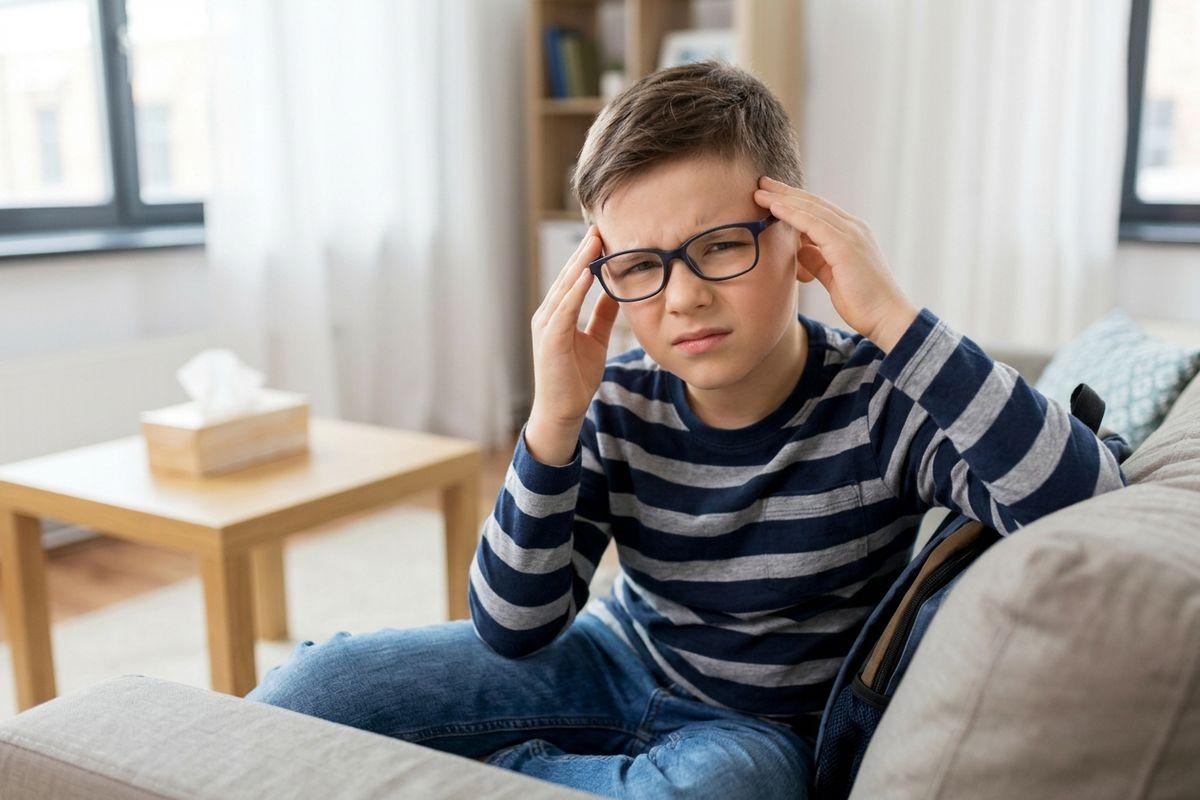
- Headaches or eye strain after screen time or reading
- Eyes that feel tired or heavy by the end of the day
Does Hyperopia Get Worse with Age?
The answer is “sort of.” After age 40, the lens of the eye becomes less flexible, which can make it harder for a person to focus on close-up objects. This causes an age-related farsightedness called presbyopia, but presbyopia is technically a distinct condition from hyperopia, as it isn’t caused by the overall shape of your eye.
Your Treatment Options: From Glasses to Myopia Control
Everyday Correction Options
Prescription glasses and contacts are the most common way to correct both myopia and hyperopia. The lens type is different for each condition. Concave lenses help with myopia, while convex lenses are used for hyperopia.
Myopia Control for Kids: Stellest and MiSight
If your child has myopia, glasses and contacts can correct their vision today, but myopia control options go a step further by helping to slow how fast their prescription changes over time.
Two options worth knowing about are Stellest lenses and MiSight contacts.
- Stellest lenses are intended for glasses and are designed to slow myopia progression in children. They look like regular glasses, but in addition to correcting vision, they also reduce the signals that cause the eye to continue growing longer.
- MiSight contact lenses are daily disposable contacts designed for myopia control. They correct vision while slowing the rate at which myopia progresses.
Neither of these options stops myopia entirely, but by slowing the rate at which it gets worse, they can help protect your child’s future vision.
Other Long-Term Options
Once vision stabilizes, typically in the early 20s, some people look into LASIK or PRK. These procedures reshape the cornea to reduce dependence on glasses or contacts. They’re worth discussing once your prescription has been steady for at least a year or two. A laser eye surgery consultation can help you figure out if you’re a good candidate.
When to See an Eye Doctor in Fort Wayne
Blurry vision, squinting, or regular headaches are good reasons to book an exam. These things don’t always go away on their own.
For kids especially, early exams matter. Myopia often starts during the school years, and a child may not realize their vision is off. They may just think the world looks that way for everyone. Research shows myopia is becoming more common in children, which makes early detection more important than ever.
As your eye doctor in Fort Wayne, we can walk you through what’s going on with your vision, explain your results in plain language, and help you figure out which options fit your or your child’s life. At Envision Eye Care, we treat every visit as a chance to make sure you feel informed and comfortable about your family’s eye health. Reach out today to schedule your exam.