
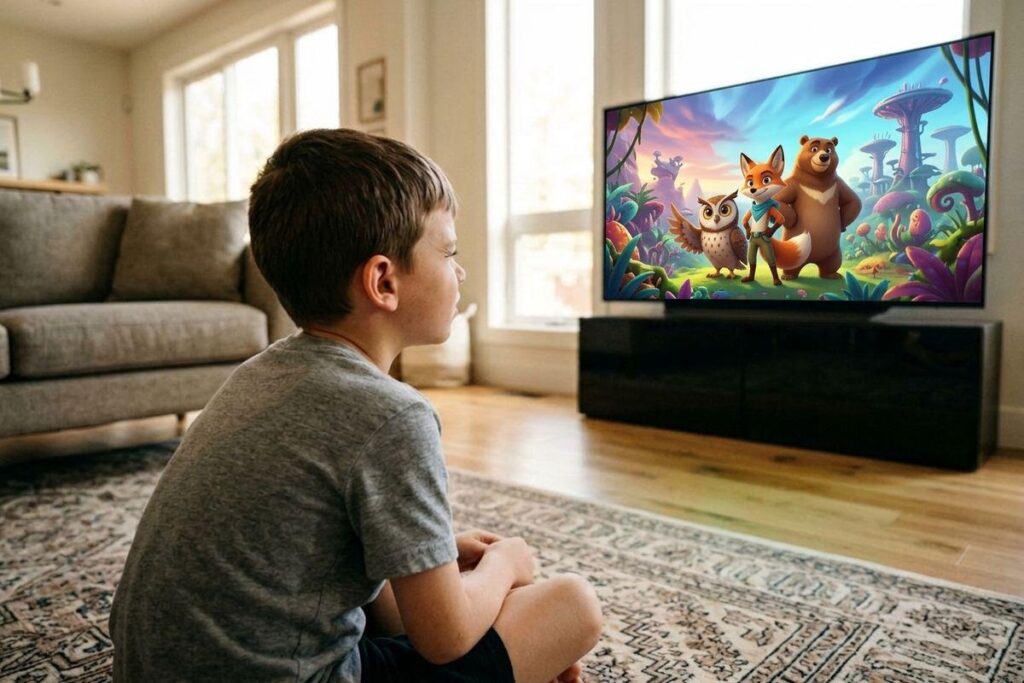
For kids, a parent or teacher often notices the symptoms of nearsightedness first, when a child starts squinting at the board or sitting closer to the TV. Myopia likely comes from a mix of family genes and daily habits, such as lots of close-up work and less time outdoors.
Researchers are still learning about the exact cause. In the meantime, you can book a children’s eye exam to spot changes early, and ask about myopia control if your child’s prescription keeps changing.
What Myopia Means for Your Vision
Myopia is the medical name for nearsightedness. Things up close look clear, but things far away look blurry. You might read a menu in your hands without any trouble while the menu board across the room looks fuzzy.
Myopia usually happens when the eyeball grows a little too long from front to back. Light then focuses in front of the retina instead of right on it. The retina is the layer at the back of your eye that sends images to your brain.
Myopia often starts during the school years and can keep getting worse until around age 20. That’s why your child may need new glasses a few times as they grow.
It matters for more than clear sight, too. Any amount of myopia can raise the risk of eye conditions later in life, including glaucoma, cataracts, retinal detachment, and damage to the center of the retina.
How Family History Affects Myopia
Myopia tends to run in families. Your child’s chance of becoming nearsighted goes up if one parent has myopia, and it’s higher still when both parents do.
Ask your relatives about their eyesight before your next visit. Knowing who wears glasses and when they started gives your optometrist helpful clues. Kids from families with myopia may also need their first exam sooner.
How Screens and Close-Up Work Affect Myopia
Daily habits also play a part. On a typical school day, kids read textbooks and finish homework. Then many of them unwind on a phone or tablet held a few inches from their face. Lots of reading, studying, and other close-up tasks are linked to myopia. Phones held close to the eyes may add to the problem.
Time outside matters too. Kids who spend less time outdoors have a higher risk of myopia. Natural daylight and looking at things far away may both support healthy eye growth.
We know screens are part of school and downtime, so aim for balance. Trade some evening tablet time for a bike ride or a walk with the dog, even if your kids grumble about it at first.
Signs of Myopia to Watch For
Kids don’t always speak up when things look blurry. Many of them assume everyone sees the world the same way. Adults can brush off the signs too, especially when they come on slowly. Watch for these signs in yourself or your child:
- Squinting at things in the distance
- Trouble reading the board at school
- Sitting close to the TV or holding devices near the face
- Headaches
- Tired or sore eyes
Book an eye exam if you notice any of these, especially if they get worse over time.
Simple Habits That May Help Slow Myopia
Small changes to your family’s routine can support your child’s eyes. Start with the 20/20/20 rule, which works for adults as well:
- Every 20 minutes on a screen, take a 20-second break.
- During that break, look at something at least 20 feet away.
- Spend 2 hours outside each day.
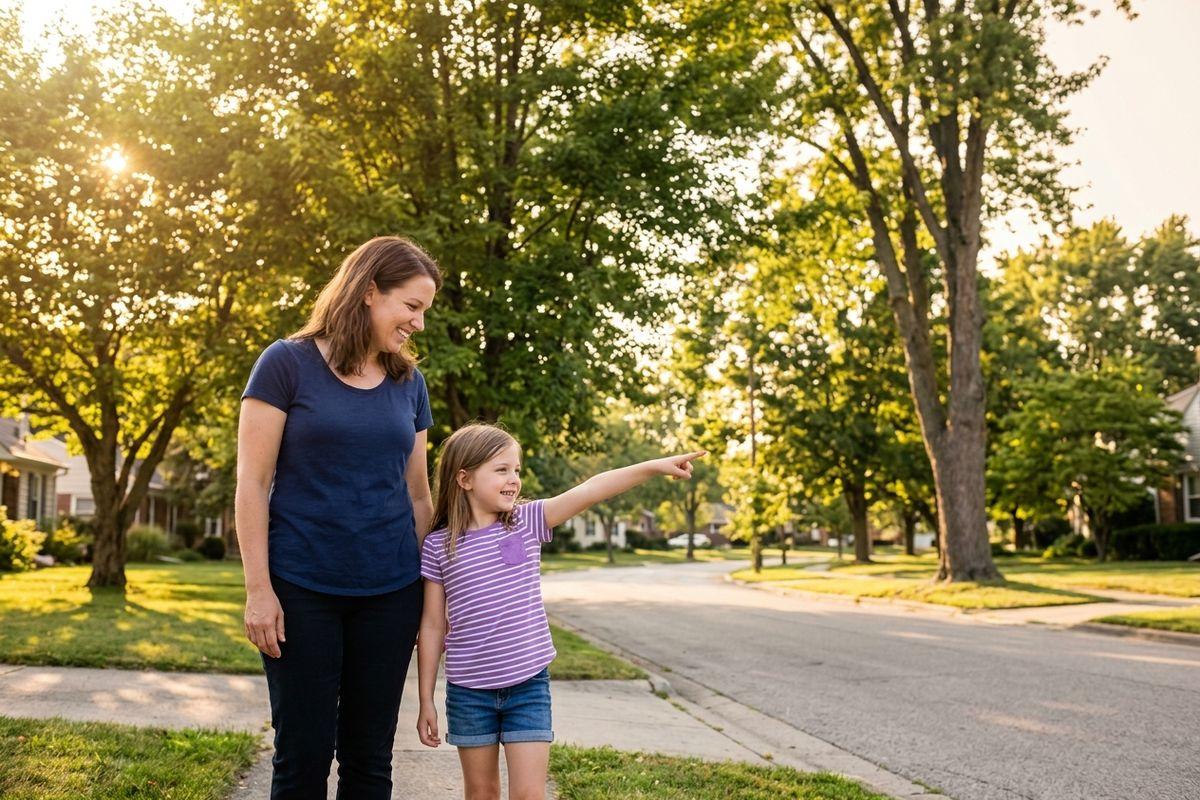
A tree across the yard or a house down the street makes a good spot to rest your eyes. For outdoor time, try a walk to the park, a bike ride, or a soccer game in the backyard.
Easy Tips for Homework and Study Time
Homework time deserves some attention too. Help your kids build these habits:
- Pause for a short break every so often while reading.
- Hold books and devices farther from the eyes.
- Sit up straight instead of leaning in close to the page.
- Do homework in a well-lit room.
Set a kitchen timer or phone alarm so your kids know when it’s time to look up and stretch.
How Optometrists Manage Myopia
Management for myopia depends on your age and how quickly your prescription is changing. We’ll always talk you through what we see, even when it’s not the news you were hoping for.
Glasses and contact lenses can correct distance vision for kids and adults. Pick frames that fit your style, or try contacts for sports and busy days. Adults with a steady prescription may be good candidates for LASIK or another type of laser eye surgery, and we can help you decide whether it suits your eyes.
Options to Help Slow Myopia
For kids, we also look at how fast myopia is progressing. Some treatments may help slow it down as your child grows:
- Multifocal contact lenses designed for myopia control
- Low-dose atropine eye drops used at bedtime
- Orthokeratology (ortho-k) lenses that gently reshape the cornea, the clear front of the eye, while your child sleeps
We’ll explain each option in plain language and give you our honest opinion. Then you can choose the one that fits your child’s eyes and your family’s routine.
Plan Your Family’s Next Checkup
Myopia is common, and you have plenty of ways to manage it. Yearly eye exams let us track changes over time, though some kids may need to come in more often. Each visit gives you a chance to ask questions and see how your child’s eyes are developing.
At Envision Eye Care, we’d love to get to know your whole family. Book an appointment, and we’ll work through your options together, one step at a time.